Why Drains Keep Clogging and What Homeowners Should Try First
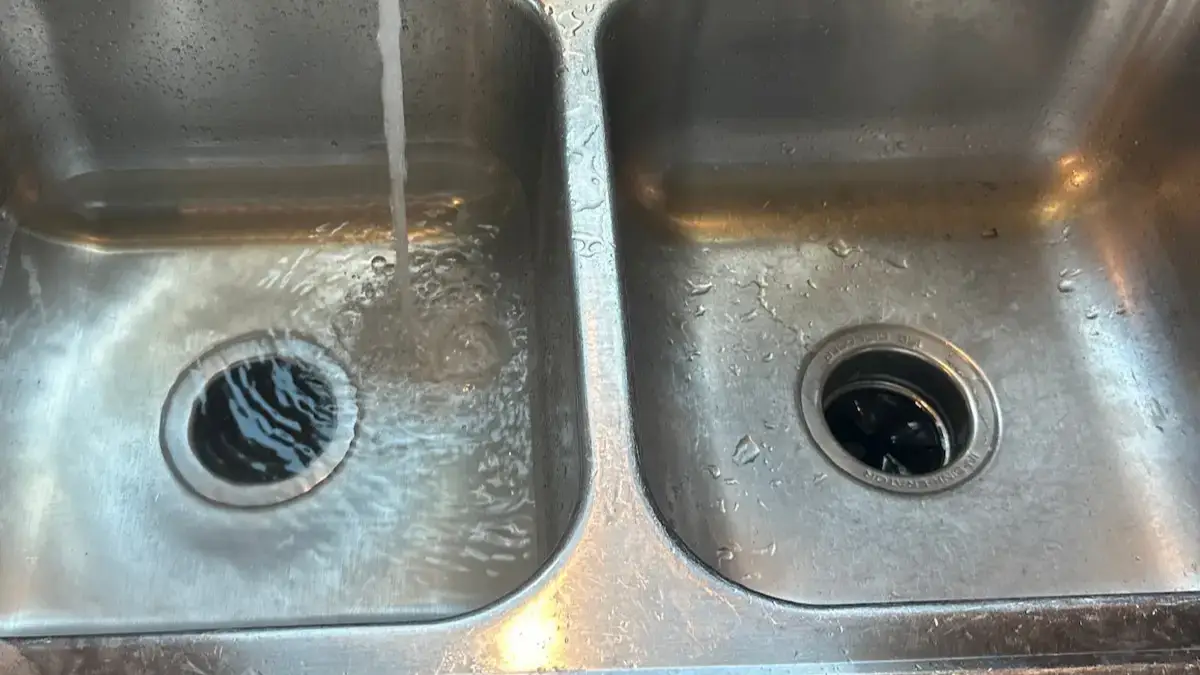
A slow or clogged drain is annoying, but a drain that keeps clogging usually means something is building up somewhere in the line.
Around Wichita, Augusta, Andover, Maize and nearby Butler County homes, recurring drain problems often come from everyday use: grease in kitchen lines, hair and soap in bathroom drains, food scraps, wipes, older piping, tree roots or a restriction farther down the sewer line.
A plunger may help once. Hot water may seem to improve it for a little while. But if the same drain keeps slowing down, gurgling or backing up, the real problem may not be fully cleared.
Quick Answer
Drains usually keep clogging because grease, hair, soap, food debris, wipes, roots or old pipe buildup are restricting the line. If one drain is slow, the issue may be local to that fixture. If several drains are slow, gurgling or backing up, the main sewer line may be involved.
Why Do Drains Keep Clogging?
Most clogs are caused by a combination of everyday buildup and things going down the drain that should not. A small restriction can keep catching more debris until the pipe no longer drains the way it should.
Grease & Food
Grease, cooking oil, coffee grounds and food scraps can stick to pipe walls and trap more debris.
Hair & Soap
Hair, soap scum, toothpaste and shampoo buildup can collect in bathroom sinks, tubs and showers.
Wipes & Paper Products
Wipes, paper towels and hygiene products can catch in the line and create stubborn blockages.
Tree Roots
Roots can grow into older sewer lines, catch debris and cause the same backup to return.
Tree Roots and Older Sewer Lines
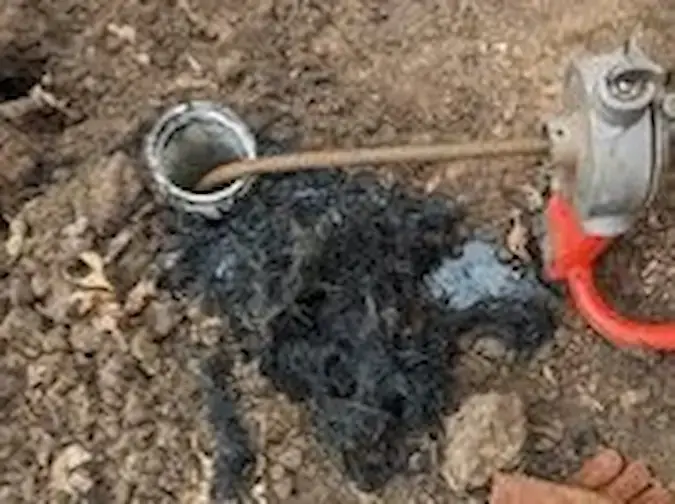
Some recurring drain problems happen outside the home. Tree roots can enter sewer lines through small cracks, joints or weakened pipe sections. Once roots get inside, they can catch debris and create repeated backups.
Older drain and sewer lines can also develop rough spots, scale buildup, sagging sections or damaged areas. In those cases, clearing the line may solve the immediate backup, but the problem can return if the cause is still there.
What Can Homeowners Safely Try First?
These simple steps may help with minor clogs. If the problem continues or comes back, it is best to call a professional before more damage happens.
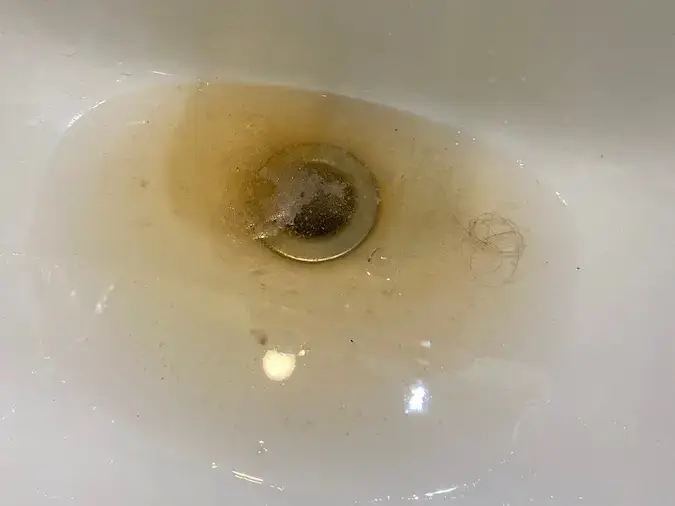
Check Visible Debris
Remove hair, soap buildup or debris from the visible drain opening, stopper or strainer.
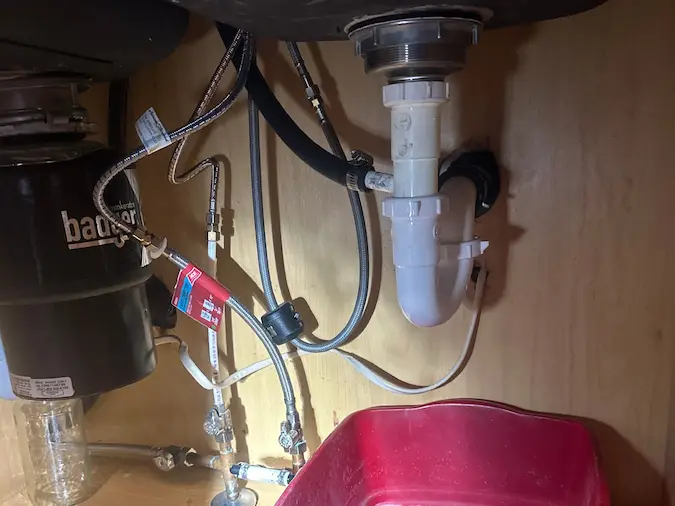
Check the P-Trap
If you are comfortable, place a bucket underneath and check the trap for buildup or small objects.
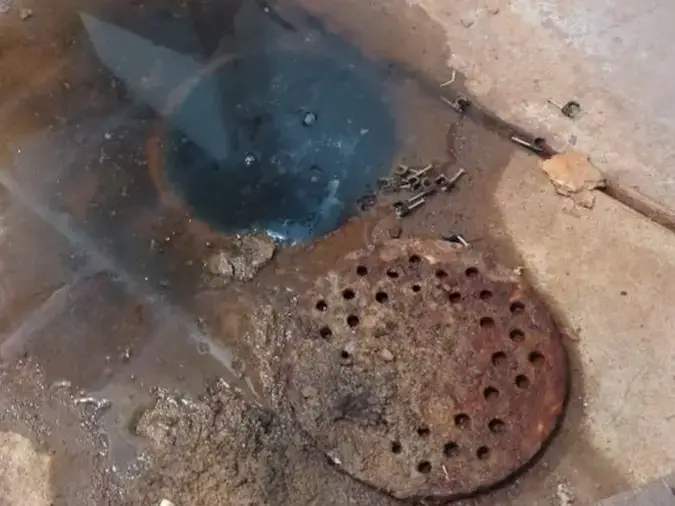
Watch Other Drains
If several fixtures are slow, gurgling or backing up, the main sewer line may be involved.
Call if It Returns
A clog that clears once and comes back usually needs professional drain cleaning or inspection.
What Should You Avoid With a Clogged Drain?
Chemical drain cleaners may seem like a quick fix, but they do not solve every clog. If the drain is fully blocked, the product may sit in the line instead of reaching the restriction.
Never mix different drain cleaners or chemicals. Mixing products can create dangerous fumes or reactions.
Small hand snakes can sometimes help with minor clogs, but forcing a tool through a toilet, tub, shower or older drain can scratch fixtures, damage parts or push the blockage farther down the line.
Avoid repeated chemical use
If one attempt does not clear the drain, adding more product usually is not the right move.
How Do You Know if It Is a Main Sewer Line Issue?
A single slow sink is usually a fixture drain problem. Multiple drains acting up at the same time may point to the main sewer line.
- Basement floor drain backing up
- Toilets bubbling or gurgling
- Water rising in a tub or shower when another fixture is used
- Several drains slowing down at once
- Sewage smell near a drain or cleanout
- A clog that returns shortly after being cleared
How Does Professional Drain Cleaning Work?
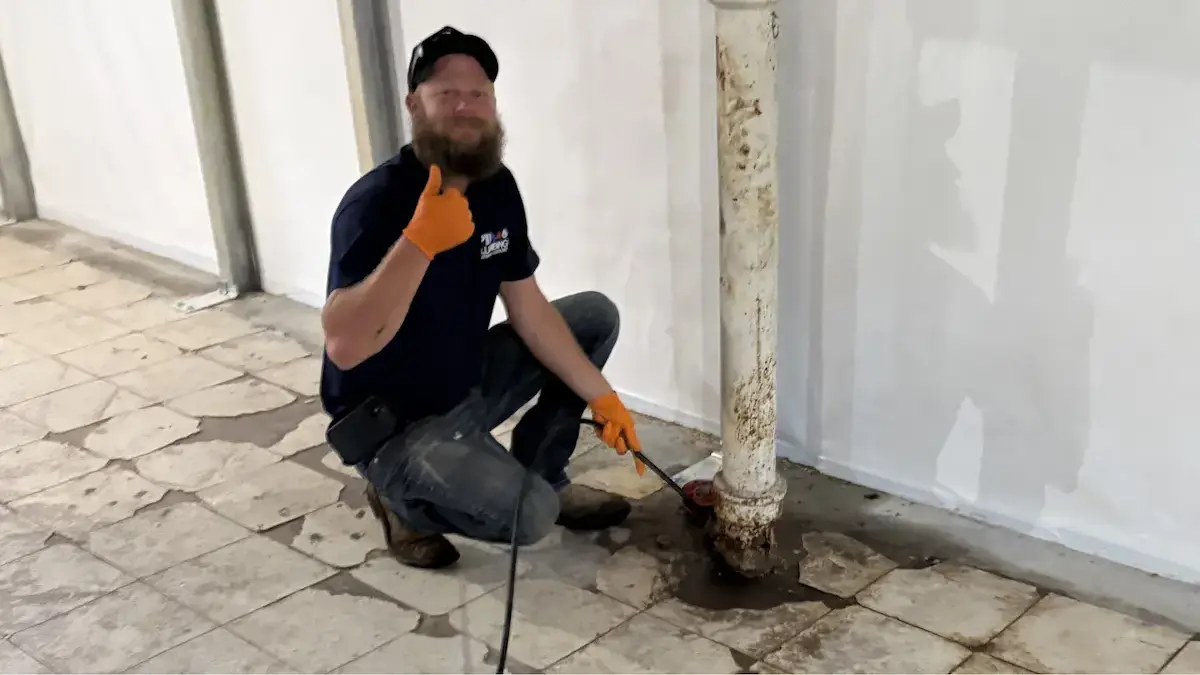
Professional drain cleaning starts with figuring out where the problem is likely located. A plumber may ask which drains are affected, how long the issue has been happening, whether the drain has backed up before and whether there is a cleanout available.
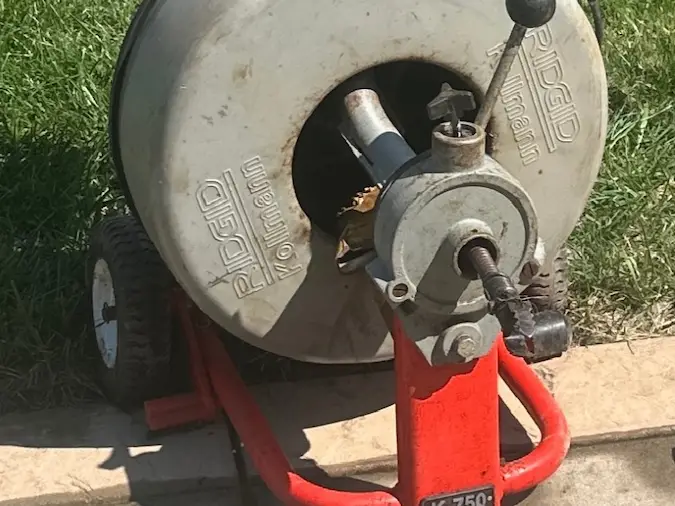
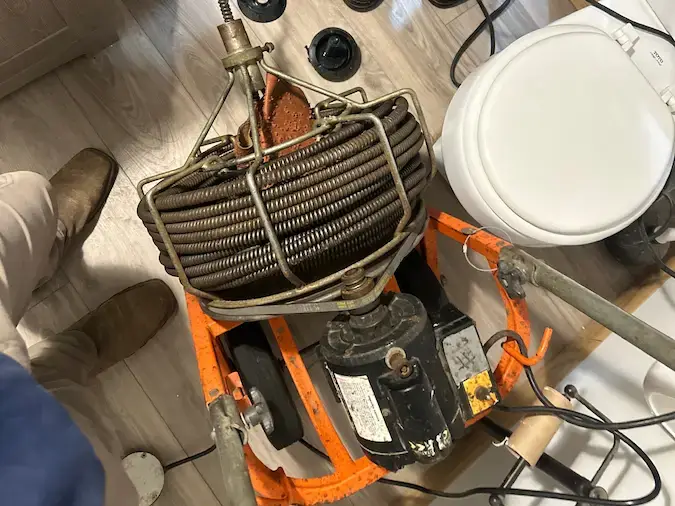
Depending on the situation, the line may be cleared from a sink drain, toilet opening, floor drain, roof vent or exterior cleanout. Some clogs can be cleared with a drain cable. Heavier buildup, grease, sludge or recurring main line restrictions may require sewer cleaning or hydro jetting.
When Should You Call PD Plumbing?
If multiple drains are slow, you have a backup, or you have tried basic steps and nothing changed, it is time to call. PD Plumbing helps homeowners and businesses with drain cleaning in Wichita, Augusta, Andover, El Dorado, Maize and surrounding areas.
Need Professional Drain Cleaning?
PD Plumbing provides fast, reliable drain cleaning in Wichita, Augusta and nearby areas.
Schedule ServiceRelated Plumbing Help
Frequently Asked Questions
Why does my kitchen sink keep clogging?
Kitchen sinks often clog from grease, food debris, coffee grounds and buildup inside the drain line. If the clog keeps returning after plunging, the restriction may be farther down the line than the sink basket or P-trap.
Is it safe to use chemical drain cleaner?
It is usually better to avoid repeated use of harsh chemical drain cleaners. If the drain is fully blocked, chemicals may sit in the line and create a safety concern. Repeated use can also be hard on some plumbing systems.
How do I know if it is a main sewer line clog?
A main sewer line issue often affects more than one fixture. Warning signs include gurgling toilets, basement floor drain backups, several slow drains, sewage odor or water backing up in a tub or shower when another fixture is used.
Does hydro jetting work better than snaking?
It depends on the issue. A cable may clear many common clogs. Hydro jetting can be more effective for heavy grease, sludge, buildup or certain recurring sewer line restrictions. The right method depends on the pipe condition, the type of blockage and access to the line.
Should I get a sewer camera inspection?
A sewer camera inspection is helpful when clogs keep coming back, when roots are suspected, when there is a sewer backup or when the plumber needs to see the condition of the line after clearing it.
Keep Reading
More Drain Cleaning Guides
Keep reading helpful guides from PD Plumbing Heating & Cooling.