Hard Water in Wichita: What It Means for Hair, Skin, Showers & Everyday Cleaning
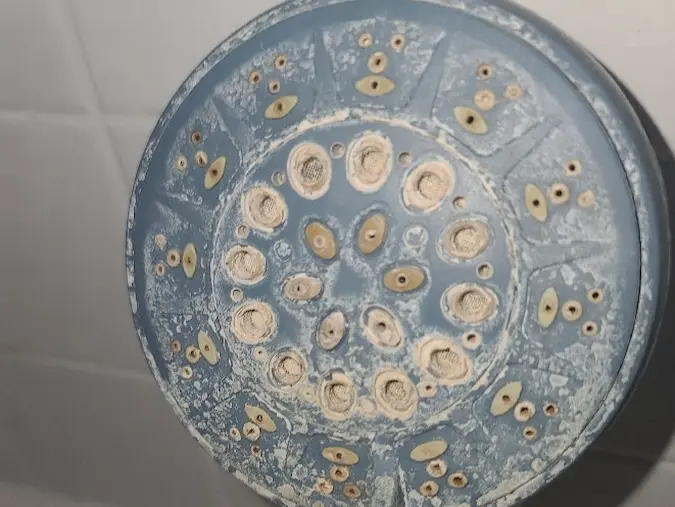
The showerhead has a chalky buildup. The glass has spots again. Your soap doesn't lather the way you'd expect, and you're wondering whether your water has something to do with it. For Wichita-area homeowners, these can be useful clues about mineral hardness—but they are not a complete water diagnosis.
Understanding what causes these problems can help you decide whether salt-free scale conditioning, true water softening or another type of water treatment makes sense for your home.
Quick Answer
Hard water contains dissolved calcium and magnesium.Those minerals can affect how soap lathers and rinses, leave residue on fixtures and contribute to scale buildup. Some people also notice differences in how their hair or skin feels after washing. A hardness test can help you understand whether these minerals may be contributing to the problems you notice.
What you may notice
Four everyday signs worth checking
White spots on faucets, soap scum in the shower and buildup around fixtures can be clues that your water is hard. A hardness test can help you check whether minerals are contributing to those problems.
Soap that doesn't lather as expected
Hardness minerals react with traditional soap, which can make lathering less efficient and leave soap scum. Product formulation also makes a difference.
First check: Try a small hardness check and review the soap or detergent being used.
White spots on glass or faucets
When water evaporates, dissolved minerals can remain on the surface. Spots are not, by themselves, proof of an unsafe water supply.
First check: Notice whether the spots wipe away or have become stubborn deposits.
A coating or dull feel after washing
Mineral and soap residue can affect how hair, skin, shower doors and sinks feel. Hair products, soap, personal care and other factors can contribute too.
First check: Look for the same residue on bathroom fixtures before attributing a personal-care issue to water.
A crusty showerhead or scale around fixtures
Calcium and magnesium hardness can contribute to mineral scale where water repeatedly wets and dries or is heated.
First check: Inspect accessible fixtures; persistent restrictions can need plumbing attention.
The science behind the spots
Why hard water changes soap, shower glass and laundry
Calcium and magnesium react with many traditional soaps to form insoluble soap scum. That can mean less lather, a film on shower glass or a ring around a tub. When water evaporates, the minerals can also leave white deposits. Hardness may affect washing and laundry performance, although detergents, cleaning products, temperature and equipment matter too.
The U.S. Geological Survey explains how hardness minerals interact with soap and why residue collects on surfaces. Understanding that difference helps you choose between salt-free scale conditioning and actual water softening.
How the USGS explains hard water ↗Bathing and personal care
What about your hair and skin?
Soap residue and hard-water minerals can influence how hair or skin feels after washing. Some people notice a coated feeling or find that certain products don't rinse the way they expect. But hair texture, shampoos, soaps, bathing habits and individual skin conditions can play a part as well.
Changing the water may change washing or rinsing experiences, but it is not a medical treatment for eczema, hair loss or other health conditions. For persistent skin or hair concerns, speak with a healthcare professional. For water treatment, focus on measurable issues like hardness, soap residue and scale.
Before selecting equipment
Four checks to make before buying a water system
Check where the symptoms appear
If the kitchen sink, shower and laundry all show mineral residue, look at the incoming water. A problem at only one fixture may have a local cause.
Check the hardness reading
An at-home hardness strip estimates calcium and magnesium hardness. It does not test for lead, bacteria, chlorine or other water-quality concerns.
Know your water source
City-water customers can consult their utility's latest water-quality report. Private-well owners may need laboratory testing based on local conditions and the specific concern.
Decide what you want to improve
Are you concerned about mineral buildup, soap residue, laundry performance or drinking-water quality? Knowing what matters most will help you and PD decide what to check next.
If you've tested your water with an at-home hardness strip, save the result. PD can review it alongside the problems you've noticed and help you explore your next steps.
Equipment PD installs
Which HALO system fits your water?
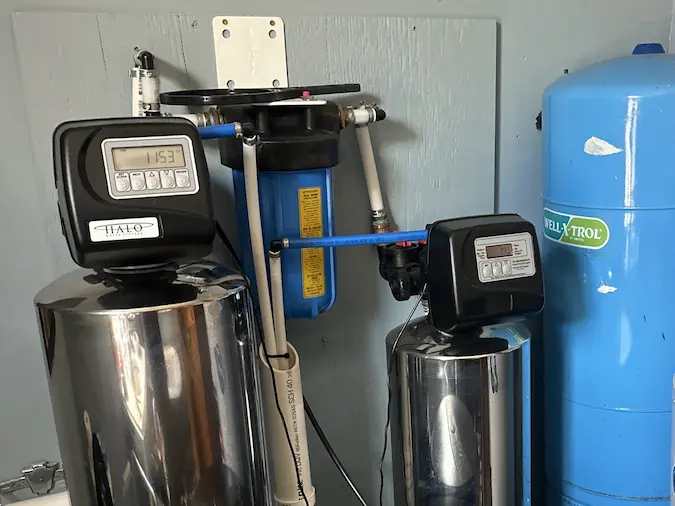
PD Plumbing Heating & Cooling is a HALO Certified Promotion Partner. We recommend and install HALO water-treatment systems for different household needs. The best fit depends on whether you want to control scale, lower measured hardness or treat drinking water.
HALO 5: whole-home filtration and salt-free scale conditioning
HALO 5 is designed to help inhibit hard-water scale inside plumbing and appliances while filtering water throughout the home. It needs no salt refills or brine tank and uses automatic backwashing. Because calcium and magnesium are not removed, a hardness test can still read hard water.
HALO H2Zero: another salt-free whole-home option
HALO H2Zero conditioning models offer whole-home filtration and scale-management options without salt or backwashing. The right H2Zero configuration depends on the water and home. Like HALO 5, conditioning does not remove hardness minerals, so it isn't traditional water softening.
HALO CK10 or Hybrid: water that actually tests softer
If lower measured hardness, better traditional-soap performance and less mineral spotting are the goals, a HALO ion-exchange softener may be the better choice. These systems remove calcium and magnesium and require salt or potassium chloride for regeneration.
HALO reverse osmosis: drinking-water treatment
A HALO under-sink RO system treats water for drinking and cooking at a dedicated faucet. It does not change the water feeding the rest of the home's showers or laundry. The right system depends on the specific water concern.
Frequently Asked Questions
Can hard water affect how my hair feels?
Hardness minerals can interact with soap and contribute to residue, which may change how hair feels or how easily it rinses. Results vary with hair care products and other factors. Hard water by itself should not be assumed to explain hair loss or a medical condition.
Does hard water cause dry skin or eczema?
Some people notice differences in how bathing feels, but dryness and eczema have many possible causes. A hardness test cannot diagnose a skin condition, and no water-treatment system should be presented as a medical treatment. Ask a healthcare professional about persistent symptoms.
If HALO 5 helps with hard water, why would my water still test hard?
HALO 5 is designed to help control the scale that hardness minerals can form inside plumbing and appliances. It also filters water throughout the home without requiring salt or a brine tank. Because the calcium and magnesium remain in the water, a hardness strip will generally still register hard water. A HALO ion-exchange softener is the option for actually lowering measured hardness.
Why could I still see water spots with a salt-free system?
A salt-free conditioner focuses on scale behavior instead of removing calcium and magnesium. As water dries, minerals can still leave visible spots. Expectations should be based on the specific model and water conditions.
Would reverse osmosis change my shower water?
A typical under-sink reverse-osmosis system treats water for drinking and cooking at a dedicated faucet. It does not treat the water feeding every shower or bathroom fixture.
What does an at-home hardness test strip tell me?
It estimates calcium and magnesium hardness, which can help explain scale and soap residue. It does not test for lead, bacteria or other drinking-water concerns. Your water utility's report or testing for a specific concern can provide more information.
Have questions about hard water at home?
PD Plumbing helps Wichita, Maize, Augusta, Andover and nearby homeowners choose HALO filtration, salt-free scale conditioning, water softening and drinking-water systems. Tell us about the mineral buildup or washing issues you're noticing, and we'll help you find the right next step.
Keep Reading
More Water Quality Guides
Keep reading helpful guides from PD Plumbing Heating & Cooling.