Water Softener vs. Water Filtration vs. Reverse Osmosis: What Does Your Home Need?
White spots on faucets, an unpleasant taste at the kitchen sink, and an odor coming from a private well are not the same water problem. A softener, whole-home filter, salt-free conditioner and reverse-osmosis system each serve a different purpose. For example, a home may have hard water at every fixture and a separate drinking-water taste concern. Those are two questions to investigate, not a reason to assume one filter or one softener will do everything.
For Wichita, Augusta, Andover, Maize and nearby Kansas homes, a useful first step is identifying the water concern before choosing equipment. This guide compares the options, explains what each cannot do and shows where professional installation may help.
Quick Answer
A water softener removes hardness minerals. A whole-home filter treats incoming water for particular concerns. Reverse osmosis treats drinking water at a dedicated faucet. Salt-free conditioning focuses on scale management rather than removing hardness.
Start with the problem you're trying to solve. If you aren't sure what's in your water, check your utility's water-quality report or consider appropriate testing before buying equipment.
Four different jobs
What each water-treatment system actually does
The words filter, softener and conditioner sound similar, but the systems work differently. Here is what each one is designed to do.
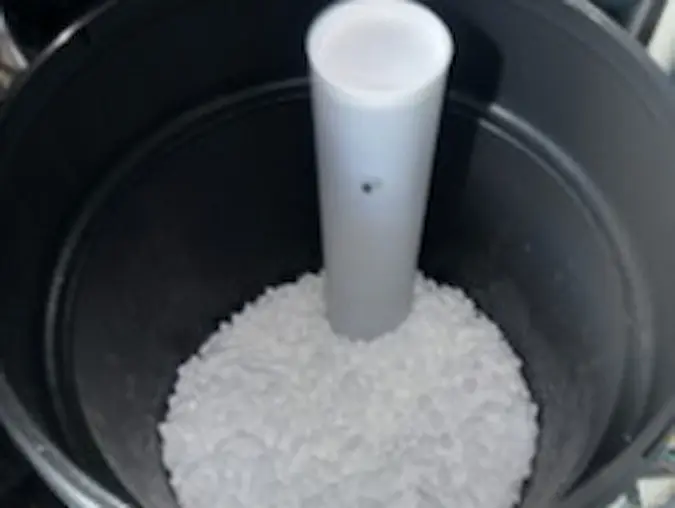
Hardness removal
Water softener
May help with: Mineral scale, soap scum and measured calcium/magnesium hardness
How it works: A conventional ion-exchange softener removes hardness minerals from the water. It typically uses salt or potassium chloride for regeneration.
Keep in mind: It is not a substitute for a drinking-water filter selected to reduce a specific contaminant.
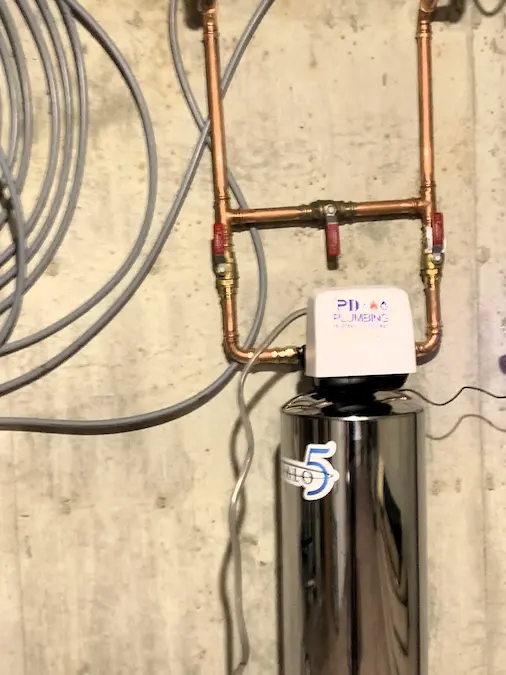
Water treatment throughout the home
Whole-home filtration
May help with: Treating a defined water-quality concern at multiple fixtures
How it works: A whole-home filter treats water where it enters the house. Depending on the filter, it may help with sediment, chlorine taste or odor, or another particular water concern.
Keep in mind: A general carbon or sediment filter is not the same as a water softener, and it cannot treat every water-quality problem.
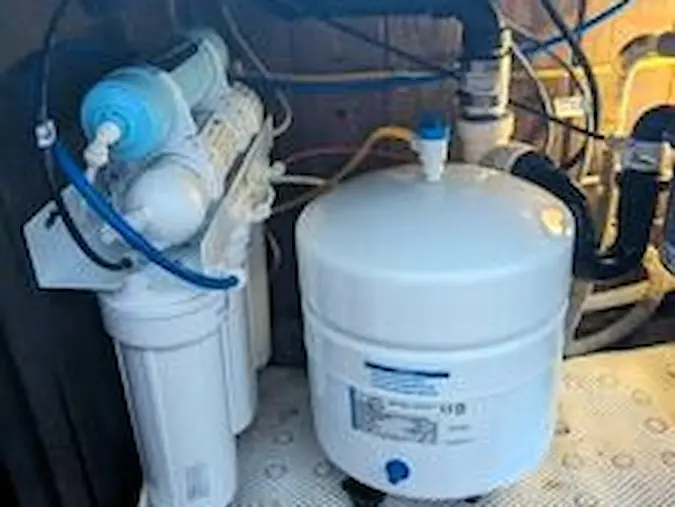
Drinking-water treatment
Reverse osmosis (RO)
May help with: Drinking and cooking water at a separate kitchen faucet
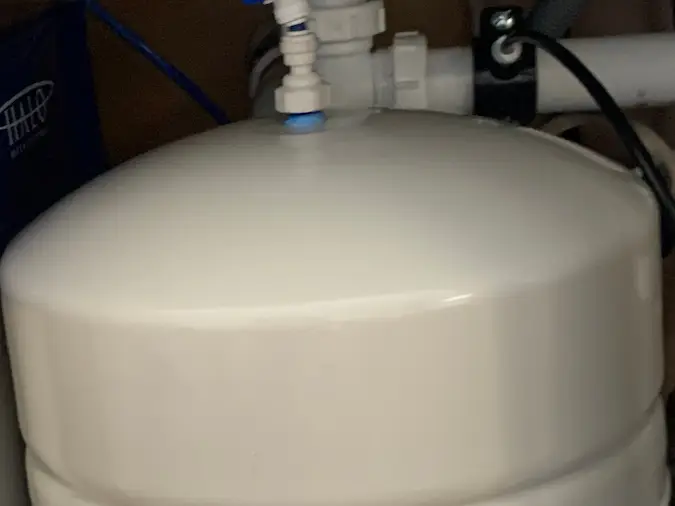
How it works: An RO system uses a membrane to treat water at the kitchen sink. The particular substances it reduces depend on the model and its testing or certification.
Keep in mind: An under-sink RO system does not soften water throughout the home. Well-water safety concerns call for testing and treatment suited to the findings.
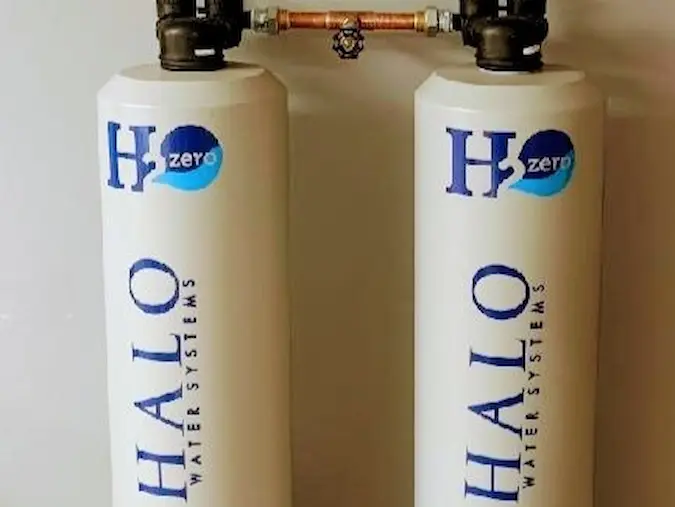
Scale-management approach
Salt-free conditioning
May help with: Homeowners considering scale management without a salt-regenerating softener
How it works: A conditioner aims to reduce scale buildup rather than remove hardness minerals. How well it works depends on the specific product and water conditions.
Keep in mind: It does not remove calcium and magnesium like a traditional water softener, so a hardness test will still show those minerals.
Not every water filter removes the same things. For example, a filter certified to reduce chlorine taste and odor isn't necessarily certified to reduce lead. Check the specific model's claims before choosing a system. The NSF guide to home water-treatment systems explains what to look for.
What homeowners notice
Match the symptom to the first useful check
Symptoms provide clues, but they do not identify a contaminant on their own. The same odor or stain may have multiple possible causes.
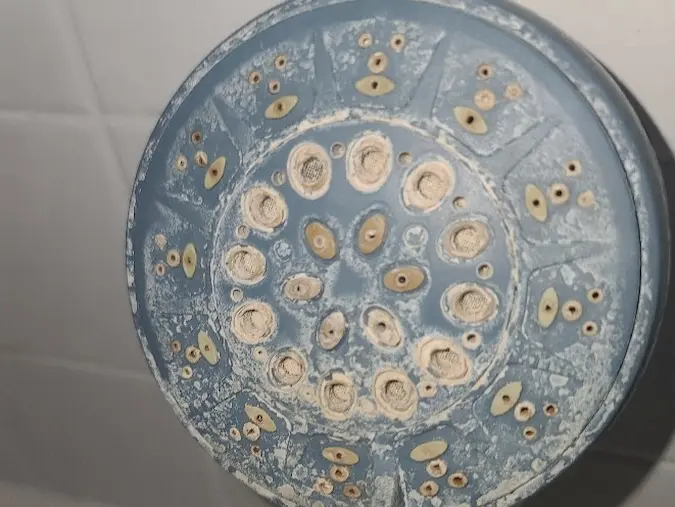
White crust on fixtures or spots on dishes
Check firstCheck water hardness; also consider other mineral deposits.
What may helpCompare a water softener with a scale-management conditioner.
Chlorine taste or odor from city water
Check firstReview the utility's water report and determine whether the issue occurs at one tap or throughout the house.
What may helpA carbon filter designed for the concern may improve taste or odor.
Orange staining or metallic taste
Check firstTest for iron and related water-chemistry factors rather than assuming the source.
What may helpIf testing finds iron, consider equipment designed to treat it.
Rotten-egg odor
Check firstFind out whether the odor affects hot water only, cold water too, or the well supply itself.
What may helpThe next step may involve the water heater, well or treatment equipment, depending on the source.
Concern about a substance in drinking water
Check firstIdentify the substance using a utility report or appropriate laboratory testing.
What may helpLook for a filter or RO system tested and certified to reduce that substance.
A practical starting point
What should you check before choosing equipment?
You do not have to know the perfect model to start. These four details help narrow the options and make a conversation with an installer or service technician more useful.
See which fixtures are affected
A problem at every tap may call for a different approach than a concern limited to drinking water at the kitchen sink. If an odor appears only in hot water, the water heater may need attention before you choose a whole-home filter.
Check the water information
For city water, begin with the utility's water-quality report. For a private well, use appropriate testing for the concern. A hardness result measures minerals that cause scale; it does not tell you whether the water contains a particular unwanted substance.
Decide what you want to change
Removing hardness, limiting scale buildup, improving taste at one faucet and addressing a tested well-water problem are different goals. One piece of equipment may not handle every concern, and adding equipment that does not match the problem may not help.
Identify existing equipment
If you already have a softener, filter or RO system, note its brand and model, where it connects and what service it has received. A worn filter, low salt level or existing-system issue may be worth checking before deciding to replace the entire setup.
Local water context
City water and private wells need different checks
Municipal water customers
Start with your water utility's annual water-quality report, also called a Consumer Confidence Report. It covers the public water supply; plumbing inside the home can introduce separate issues. Identify whether you're concerned about scale, taste, odor or a specific substance before choosing equipment.
Private well owners
Well-water quality can vary from one property to another around Augusta, El Dorado, Towanda and rural Sedgwick County. A neighbor's treatment system may not be right for your well. Testing helps identify what your water actually needs.
Important for private wells
The EPA recommends testing a private well every year for bacteria, nitrate, total dissolved solids and pH. Other tests may be needed based on the location or changes in the water. Use a qualified water-testing laboratory. If results show a possible health risk, ask the local health department how to use the water safely before relying on a filter.
EPA guidance on private-well testing ↗Understanding equipment choices
Where HALO filtration, softening and RO fit
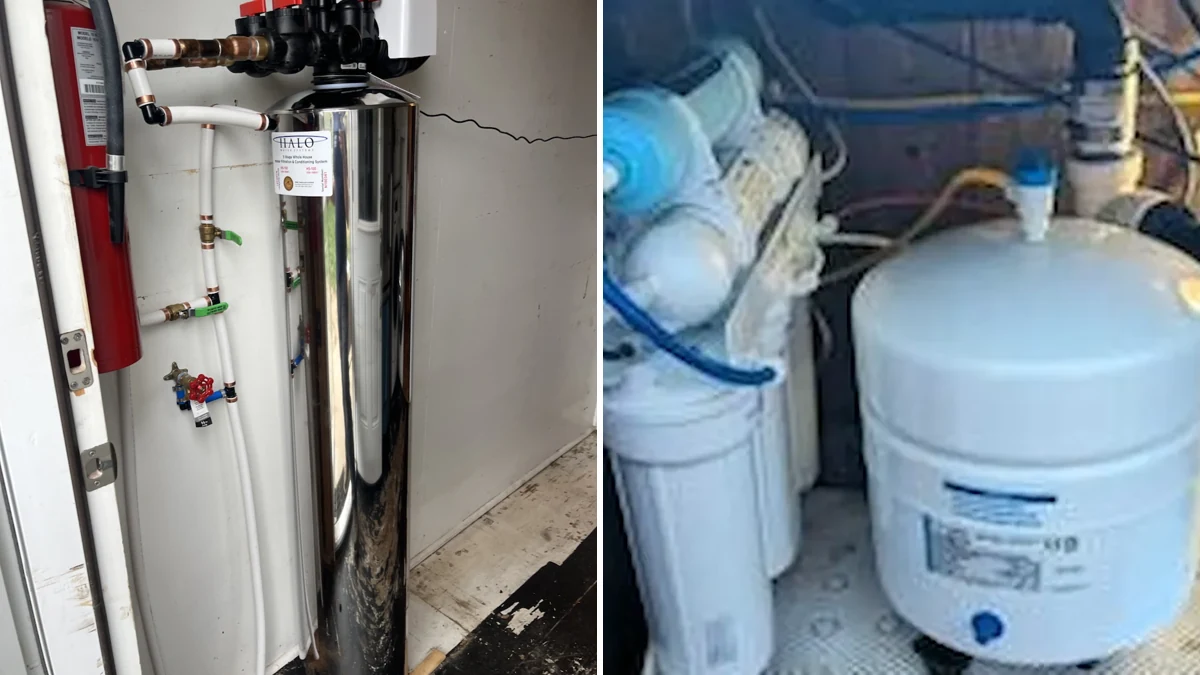
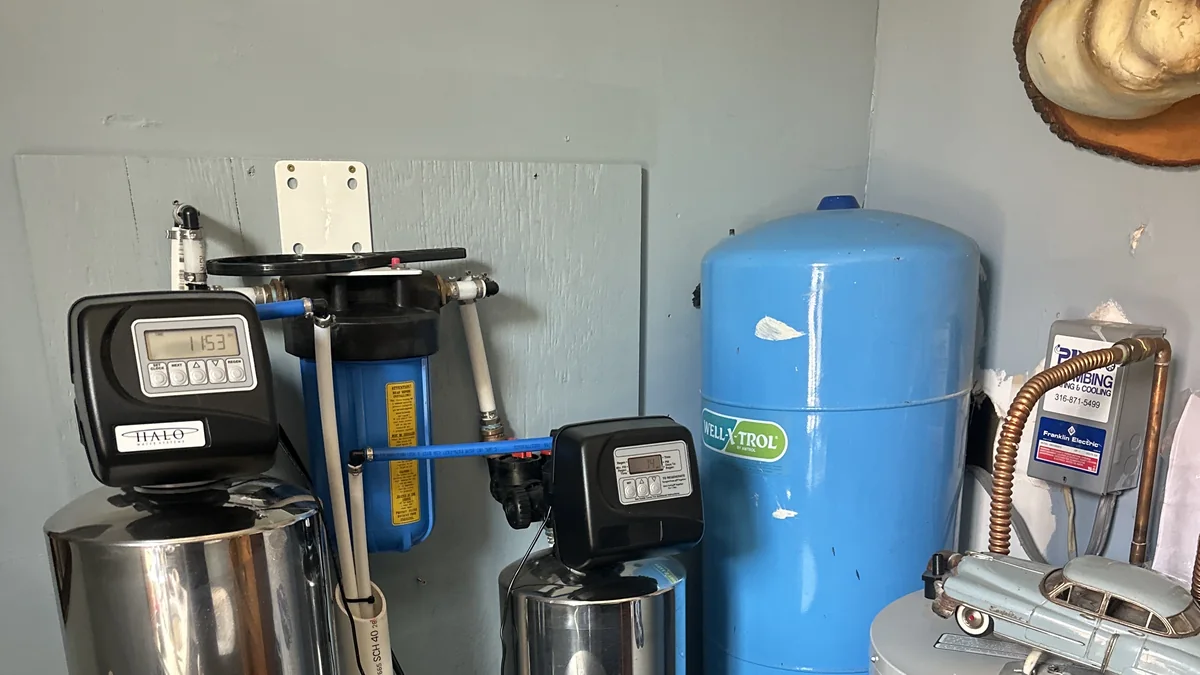
PD Plumbing Heating & Cooling is a HALO Certified Partner and installs several types of HALO equipment. A HALO whole-home filter, water conditioner, softener and drinking-water RO system do different jobs.
HALO 5
Whole-home filtration and conditioning. HALO 5 uses a programmed automatic backwash cycle; it is not a salt-regenerating ion-exchange softener or an RO system.
HALO H2Zero
Whole-home filtration and conditioning options. H2Zero operates differently from HALO 5 and is not a reverse-osmosis drinking-water system.
HALO CK10 / Hybrid and HALO RO
The CK10 removes hardness minerals through ion-exchange softening. The Hybrid combines filtration with a true softener. HALO also offers separate reverse-osmosis drinking-water systems.
For specifications and maintenance requirements, you can compare models in HALO's product catalog.
Before you buy
What affects installation cost and ongoing care?
There is not one meaningful installed price for every home. Equipment type and capacity, water conditions, household flow demand and the plumbing already in place all affect the scope. Some systems need new supply connections, a bypass, suitable drain access or electrical work. Well water may need more than one type of treatment, based on testing, rather than a single filter sold as a universal solution.
Installation considerations
- Water conditions and treatment goals
- Equipment capacity and available flow
- Supply connections, bypass and service access
- Drain, electrical and physical-space requirements
- Manufacturer installation instructions
Maintenance varies by system
- Traditional softeners: salt and regeneration checks
- RO: model-specific prefilter and membrane changes
- Cartridge filters: replacement based on equipment requirements
- HALO 5: programmed backwashing; no routine cartridge changes in its main media vessel
- Other HALO models: follow their own maintenance instructions
Before buying, ask what the system is designed to treat, what routine upkeep it needs and how you'll know when service is due. For local installation or help with existing equipment, see PD Plumbing's water filtration, softener and reverse-osmosis services.
Frequently Asked Questions
Do I need both a water softener and a whole-home filter?
Sometimes. A softener and a filter do different jobs. If testing identifies both hardness and a separate filtration concern, a properly designed combination may make sense. Many homes do not need both.
Does a salt-free conditioner actually soften water?
Not in the same way as an ion-exchange softener. Salt-free conditioning is used for scale management, whereas a conventional softener removes the calcium and magnesium that cause hardness. The right choice depends on your goal.
Is HALO H2Zero a reverse-osmosis system?
No. HALO H2Zero is a whole-home filtration and conditioning product family. HALO offers separate reverse-osmosis equipment for drinking-water treatment. Model and configuration matter.
Can reverse osmosis replace whole-house filtration?
An under-sink RO system generally treats water at a dedicated drinking-water faucet, not at every fixture. A whole-home filter treats water at the point of entry. One or both may be appropriate, depending on the water and the intended use.
Does a rotten-egg smell always mean I need a sulfur filter?
No. The source of the odor should be investigated first. For example, an odor limited to hot water may relate to water-heater conditions. Well-water odor can have other causes that require testing.
How often should I test my private well?
The EPA recommends annual testing for total coliform bacteria, nitrate, total dissolved solids and pH, with additional tests when local conditions, changes in the water or suspected contaminants warrant them.
Need installation or service?
Water Filtration, Softener & RO Service in Wichita
PD Plumbing Heating & Cooling installs HALO water-treatment equipment, water softeners, whole-home filters and reverse-osmosis systems. We also service many other brands when compatible parts and service are available.
View Water Treatment ServicesKeep Reading
More Water Quality Guides
Keep reading helpful guides from PD Plumbing Heating & Cooling.